
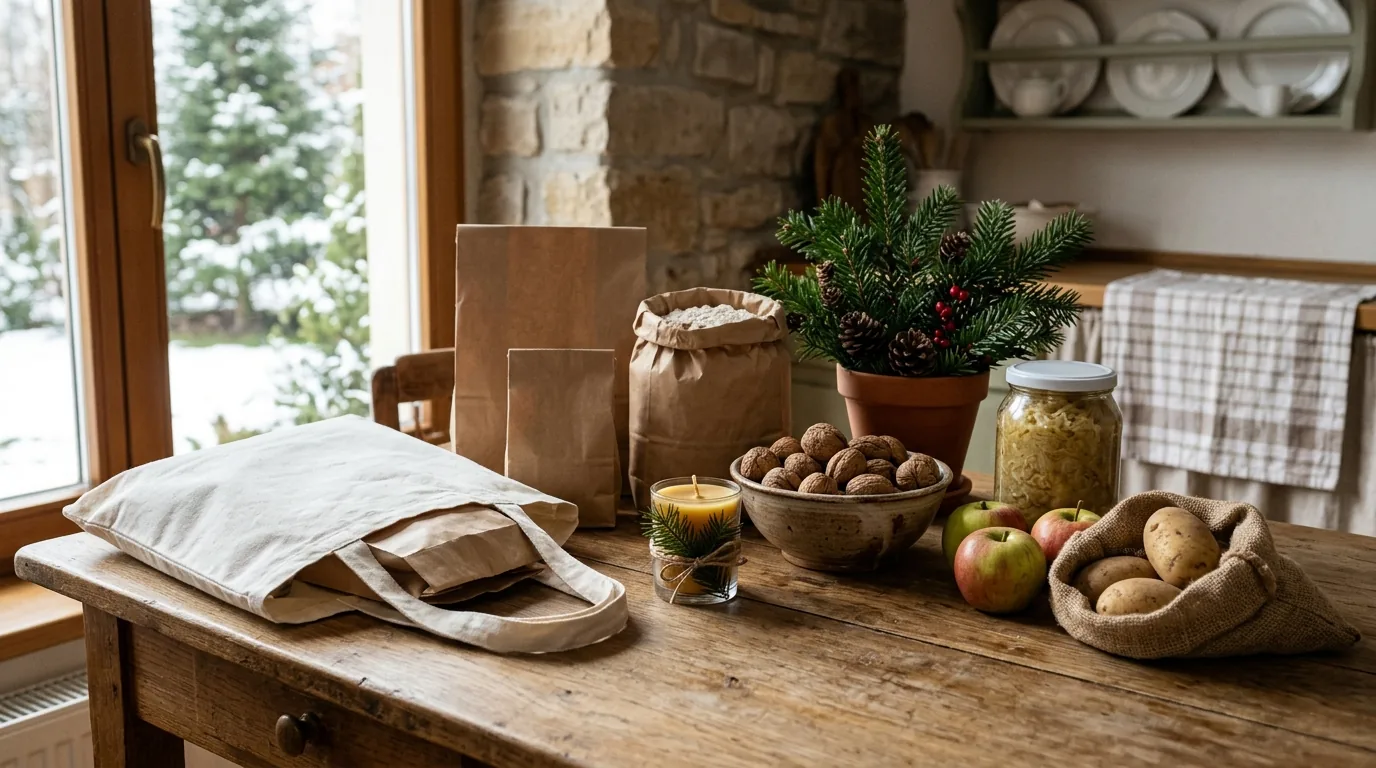
Christmas is the most expensive shopping season of the year, and food is a big part of the bill. If you know how to save money on Christmas food, you don't have to give up the roast, the trimmings or your favourite cookies. All it takes is a plan, a little discipline in the shop and buying things at the right time. Here is a simple method you can start this week.
Start with a figure and a menu, not the shop
Before you open the first leaflet, decide how much you want to spend on holiday food. Then write down a menu for every festive day: Christmas Eve, Christmas Day, Boxing Day and the breakfasts in between. Note how many people each meal is for.
- Cook fewer dishes. Two kinds of meat, three salads and ten types of cookies are expensive and usually end up as leftovers.
- Skip what nobody eats. If no one really likes a traditional dish, there is no need to buy it out of habit.
- Plan leftovers in advance. Roast meat can become sandwiches the next day, and a big pot of soup can cover two lunches.
Check your cupboards first
It is easy to buy flour, sugar, spices or tins you already have. Go through the pantry, fridge and freezer and write down what needs using up and what is actually missing. Forgotten freezer stock such as meat, fruit or vegetables can go straight into the Christmas menu.
Turn recipes into a shopping list
Copy the ingredients from your menu into a list, with quantities. Split it into two parts: what you can buy early and what to buy just before the holidays. With a list in hand you are less likely to fall for festive displays and impulse buys at the till. For ideas, see our Christmas food shopping list.
What to buy early and what to leave until last
| Buy early (late November, early December) | Buy just before the holidays |
|---|---|
| Flour, sugar, cocoa, nuts, dried fruit | Cream, soft cheese, eggs |
| Tins, jars, spices, crackers | Fresh fish (unless you buy frozen) |
| Meat on offer, to freeze | Fresh vegetables, fruit, bread |
| Drinks, coffee, tea | Party platters and sandwiches |
Spreading the shopping over several weeks also spreads the cost, so one December payday doesn't have to cover everything. You also avoid the packed shops in the last days before Christmas, when impulse buying is at its peak.
Use offers wisely
A deal only saves money if you were going to buy that item anyway.
- Compare the price per kilo or litre, not the pack price. A bigger pack isn't always cheaper.
- Check the leaflets of the shops you normally use, and use loyalty cards or store apps that give extra discounts.
- Try own-brand products for basics like flour, sugar, butter for baking or tins.
- Be careful with multibuy deals on fresh food. The extra pack often goes off before you eat it.
For groceries, there is no need to chase one-off sales like Black Friday. What matters are the regular weekly offers, which multiply before Christmas.
Fewer leftovers means more money saved
The most expensive food is the food you throw away. Cook portions for the number of people, refill serving dishes gradually and get leftovers into the fridge or freezer quickly. Cookies you can't finish last longer when stored properly. Read how to store Christmas cookies.
How Shoppie can help
In Shoppie you can create a separate “Christmas” list and quickly add ingredients with quantities. If you shop with a partner or family, a shared household via iCloud shows changes instantly, so nobody buys the nuts twice. After shopping you can scan the receipt: Shoppie recognises products and prices, including discounts, and the food appears in Pantry with an estimated use-by date. Each morning it reminds you what to eat first, so nothing goes off.